What does foundation repair cost in Edmond?
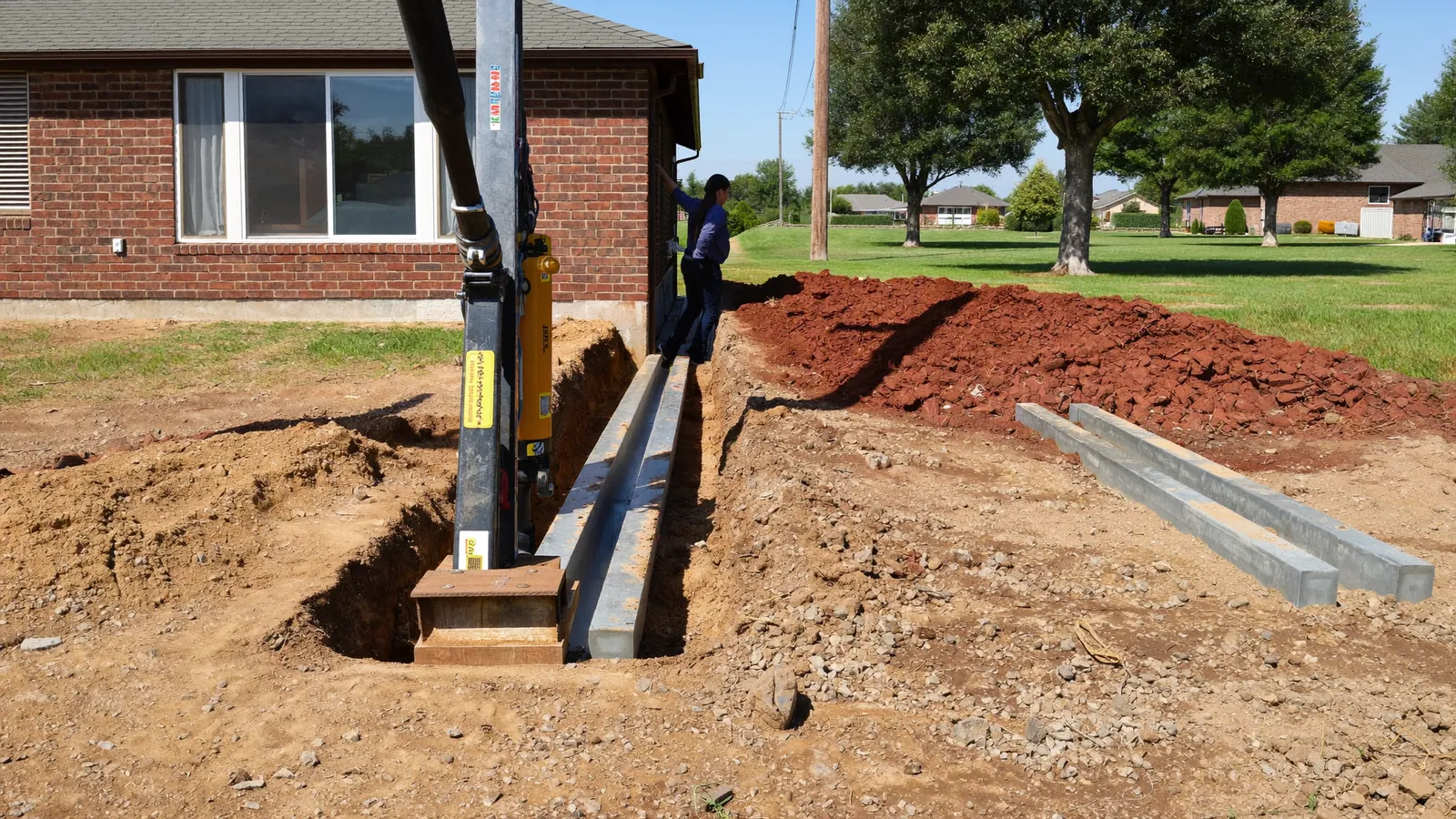
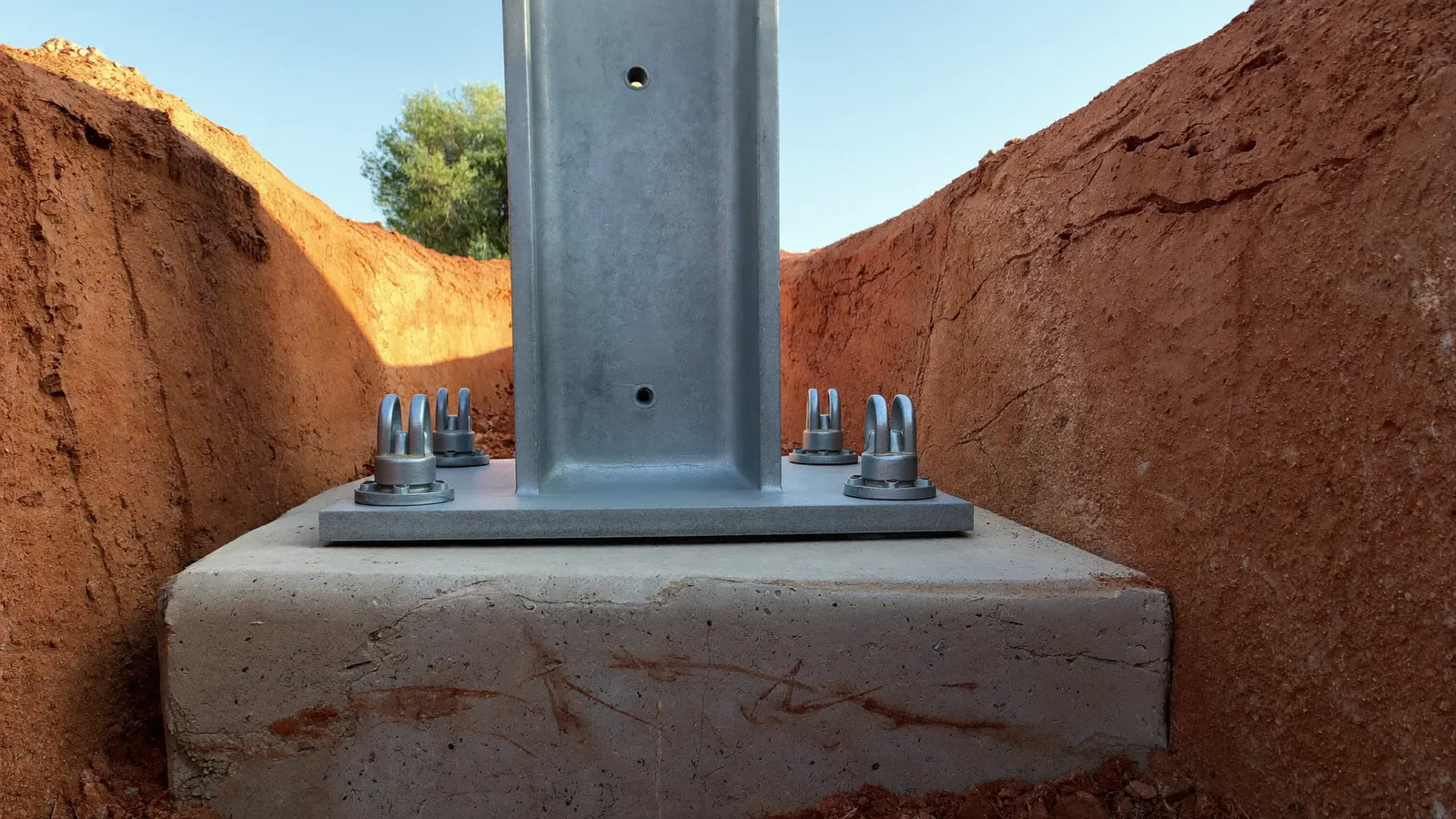
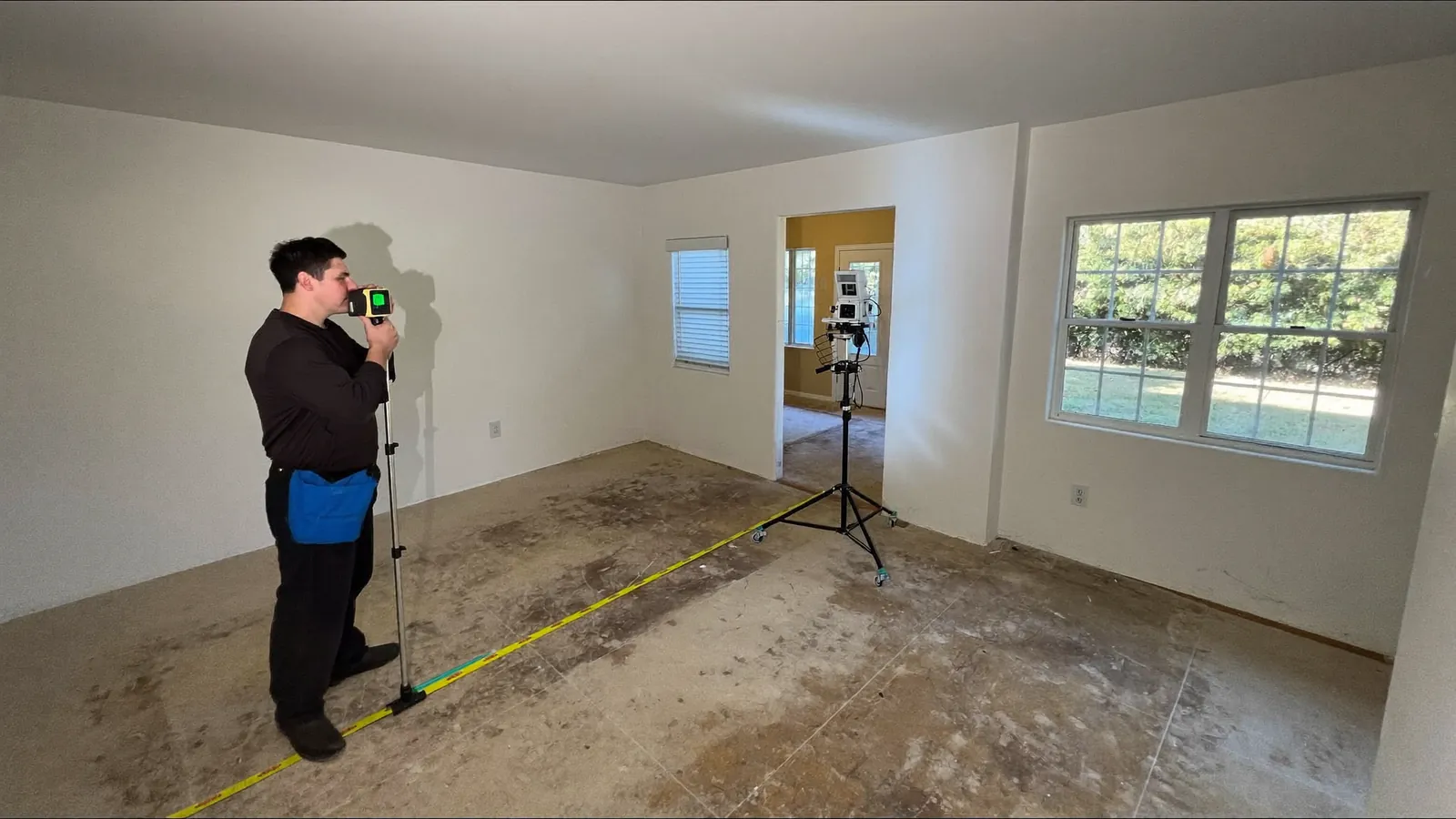
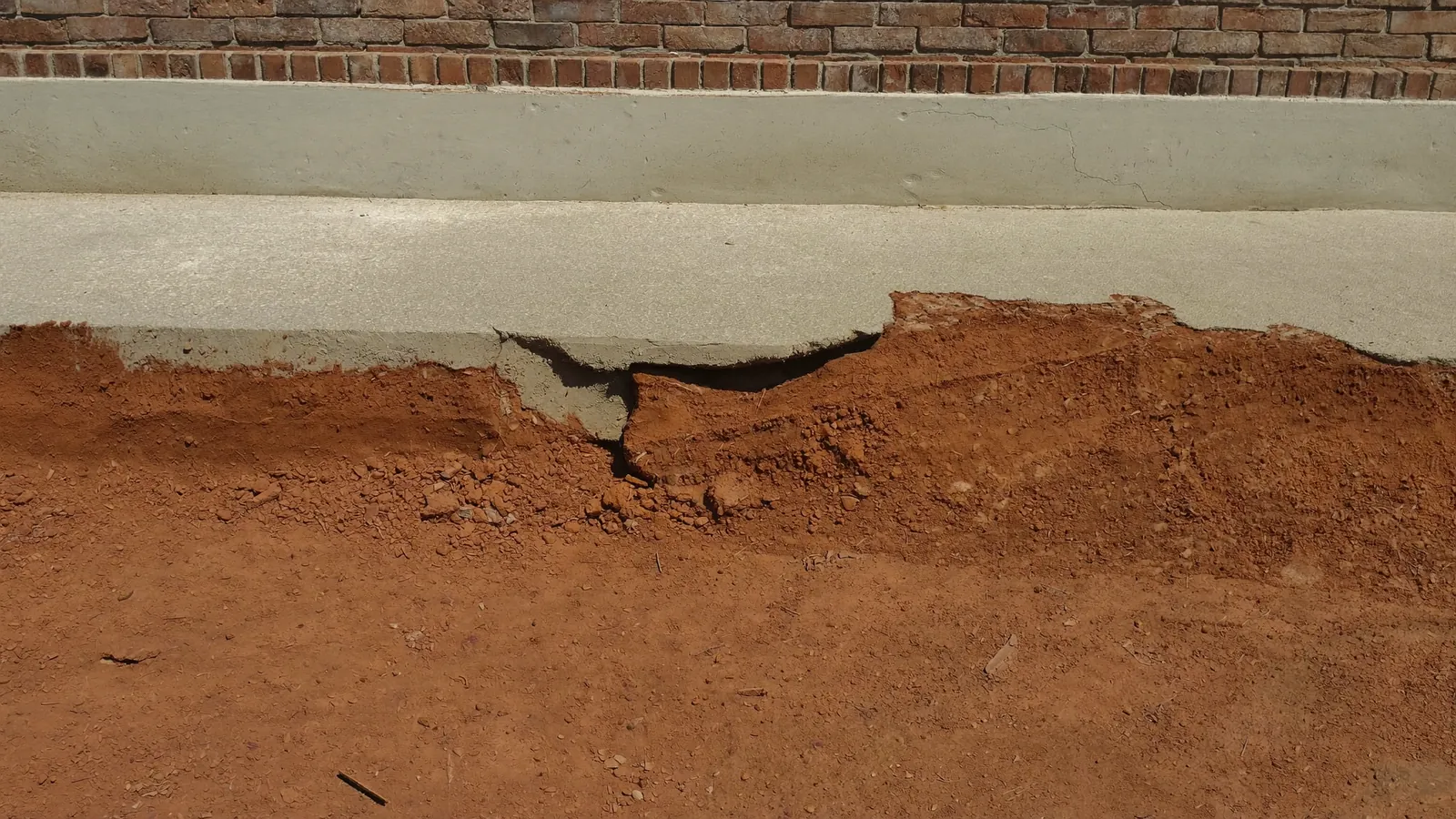
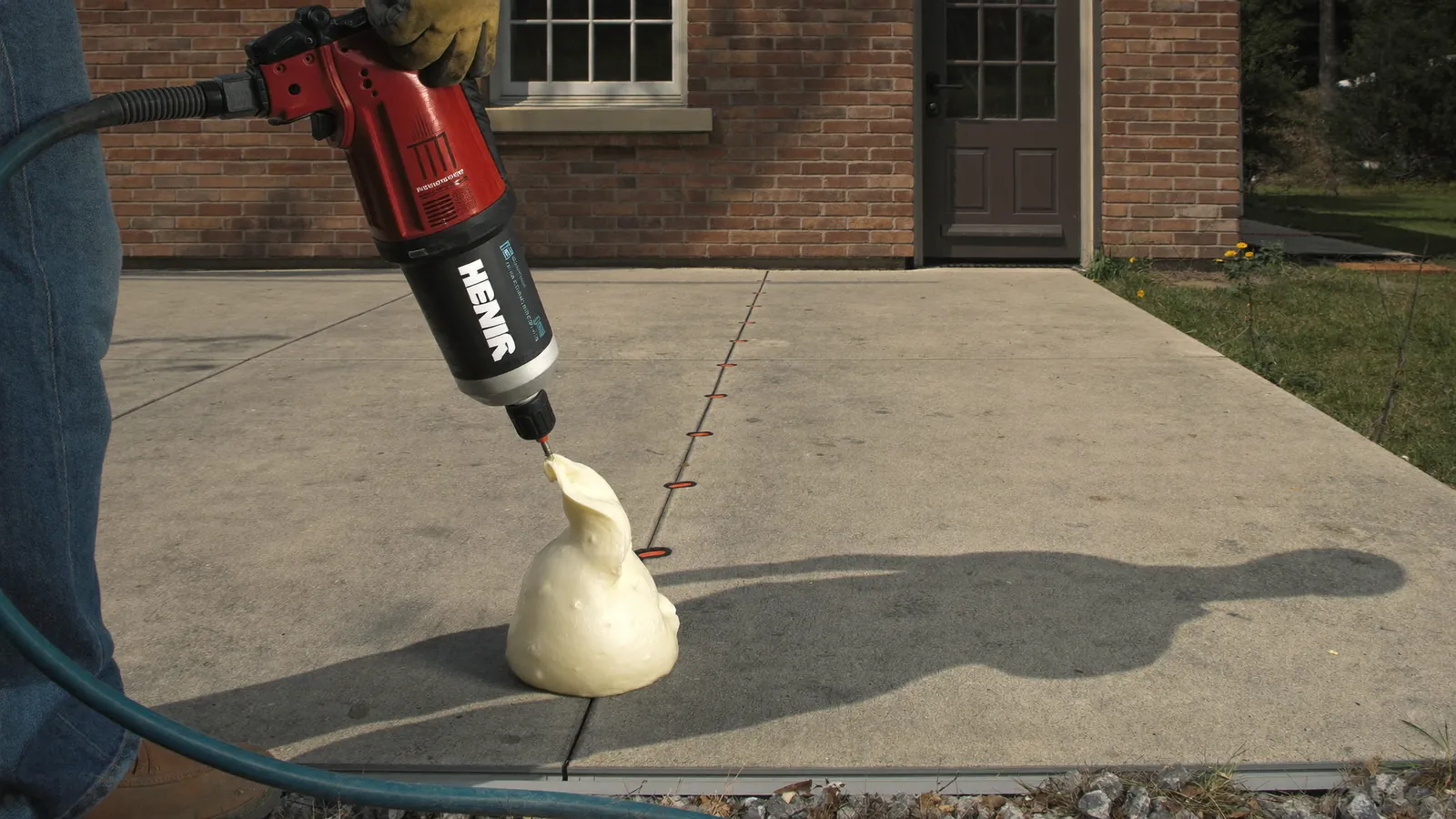
Published cost guides put most Oklahoma jobs between $3,000 and $9,000, with the national band running $2,000 to $15,000 and beyond. Sealing a handful of cracks by epoxy or polyurethane injection sits at the bottom of that, roughly $250 to $1,200 per crack. Driving piers sits at the top: steel push piers run about $1,200 to $2,800 each and helical piers about $1,500 to $3,200, and a 2,000 square foot house with confirmed settlement usually needs six to twelve of them, which lands the job somewhere around $8,000 to $18,000. Lifting a settled driveway or patio with foam or slurry is its own category at roughly $500 to $1,500 a section. Those are budgeting bands, not a quote. The figure for your house comes after the elevation survey, because the pier count is what sets the price and nobody can count piers from a phone call. The cost guide breaks it down line by line.
Why do so many Edmond houses move?
The ground. Central Oklahoma sits on Permian-age red beds — reddish-brown clay and shale that swell when they take on water and shrink when they lose it. The clay minerals responsible, montmorillonite and bentonite, hold a lot of moisture; soils with a plasticity index above about 40 are rated highly expansive, and the red clay around Edmond behaves that way. Then the weather works the soil like a pump. Edmond takes roughly 31 inches of rain a year, but it arrives unevenly: May averages about 4.6 inches and January about 0.8, and the summers bring long dry spells. The clay shrinks away from your footing in August and swells back in May. Houses do not fail because the clay is wet or dry; they fail because it keeps changing, and rarely at the same rate all the way around the house.
Do I need a permit for foundation work in Edmond?
Usually yes. The City of Edmond requires a permit for any project meant to construct, enlarge, alter, repair, move or demolish a building or structure, and underpinning or re-leveling a foundation is structural repair. Applications go through permits.edmond.gov, and Building & Fire Code Services takes questions at 405-359-4790, or 405-359-4780 for code questions. Expect a permit to add roughly $100 to $500 to a job depending on the jurisdiction. Cosmetic crack sealing that does not touch the structure generally does not need one. We confirm with the city before the crew arrives rather than after, and the permit stays with your paperwork. The permit guide has the details.
Will my homeowner's insurance pay for this?
Usually not, and you should know that before you file. Standard homeowner policies cover foundation damage caused by a covered peril — fire, windstorm, a fallen tree, a vehicle hitting the house, an explosion, vandalism, or a sudden plumbing or HVAC water escape. They exclude natural settling, shrinking, expansion and cracking, along with general wear, earthquakes, flooding, sinkholes, tree root pressure and faulty construction. Soil movement is the cause of most foundation damage in Edmond, and soil movement is on the excluded list. Two wrinkles are worth checking: Oklahoma's induced seismicity means earthquake damage needs separate earthquake coverage, which is not part of a standard policy, and a sudden under-slab plumbing failure may qualify where a slow leak that ran for years will not. We document and photograph everything and give you invoices and readings you can hand to an adjuster, but we will not tell you a settlement claim is likely when it is not.
Are you licensed?
Oklahoma does not issue a state trade license for foundation repair, so no company in Edmond holds one. The Construction Industries Board licenses plumbers, electricians, mechanical contractors, roofing contractors and inspectors; foundation repair is not among the trades it regulates, and the state does not license general contractors either. That means the license question has no useful answer here, and three other questions do: is the contractor carrying general liability and workers' compensation cover, is it registered where the jurisdiction requires registration, and is it pulling the permit. Oklahoma City, for instance, requires residential contractors to register with $50,000 per-occurrence general liability cover, workers' compensation or a filed exemption, and an annual fee. We are registered and insured, we pull the permit, and we will show you the certificate without being asked.
Is every crack a foundation problem?
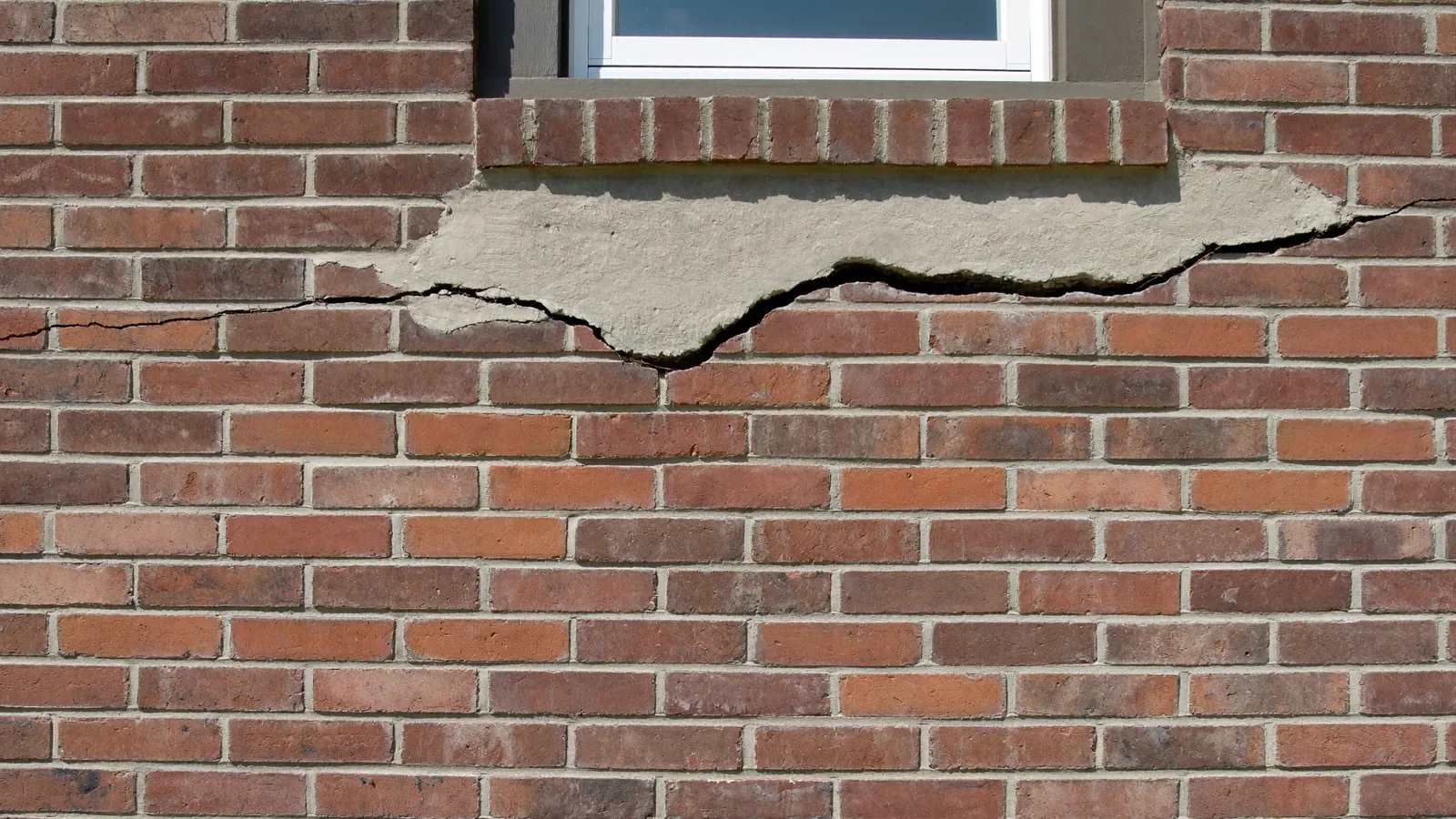
No, and we will tell you when it is not. Fresh plaster and drywall shrink, new houses settle into their soil for the first couple of years, and hairline cracks that follow a joint or run straight up from a corner are often nothing structural. What we look for instead is pattern and direction: stair-step cracks climbing the mortar joints of brick veneer, cracks that run diagonally from the corners of doors and windows, doors that bind along one edge and not the other, floors that slope consistently in one direction, and gaps opening between the walls and the trim. Those travel together and they point to movement. A crack that opens in August and closes in May is also telling you something — that is the clay cycling. The elevation survey settles the argument, because it measures the floor rather than reading the symptoms, and sometimes it tells us to leave your house alone.